Finding Most Trusted Bike Hire in Tucson
Uncover Your City: The Complete Guide to Bike Rentals for Bold Adventurers
Navigating a city by bike can transform a routine visit into an adventurous experience. Knowing essential gear, rental policies, and local trails is crucial for a protected journey. The right bike can enhance the ride, while scenic routes reveal hidden gems. Planning finances carefully and considering eco-friendly options further improve the experience. Yet, many ignore the finer details that can enhance their biking adventure. What key tips might make a notable difference on the road ahead?
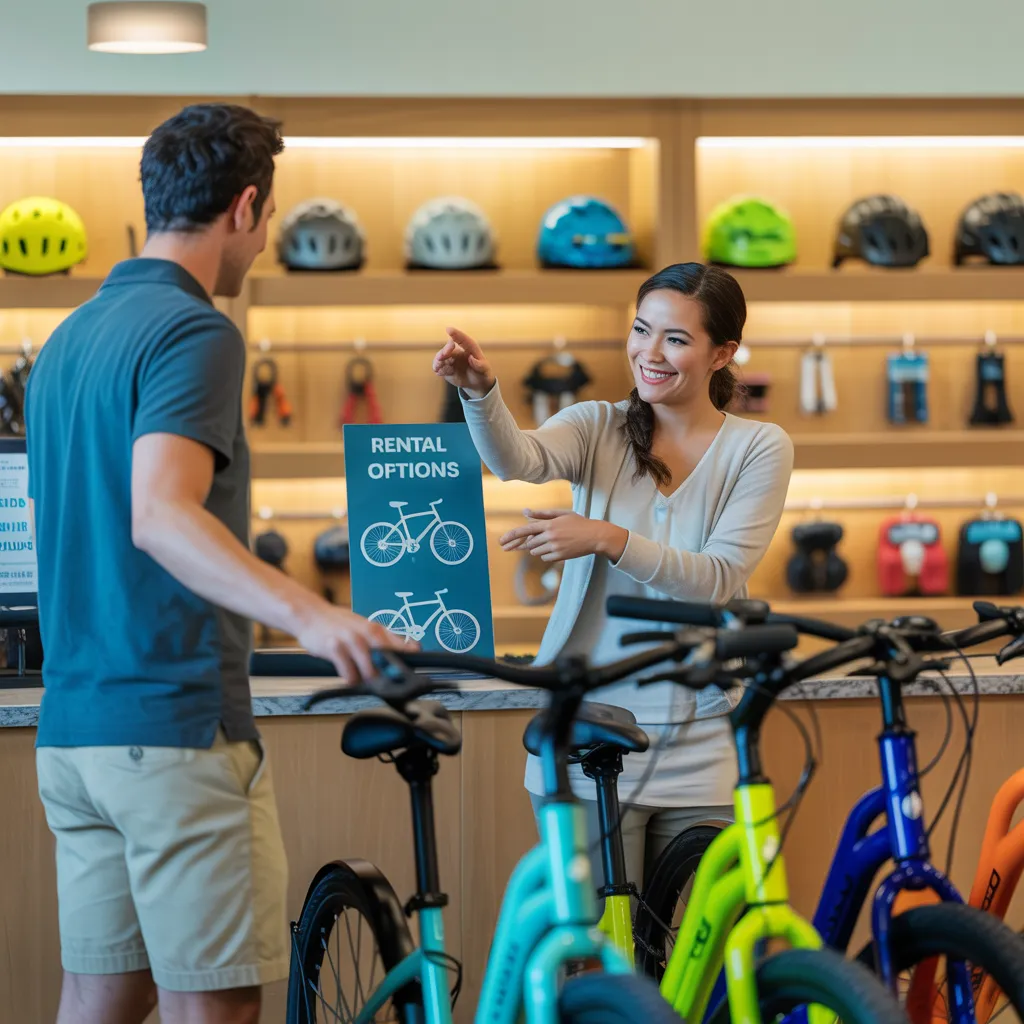
Key Gear for a Safe and Fun Ride
When embarking on a bicycle rental journey, safety and comfort should be your top priority. Key gear consists of a correctly sized helmet, which protects against head injuries and enhances stability while riding. Moreover, padded cycling shorts can greatly increase comfort during longer rides, reducing friction and discomfort.
Bikers may also want to selecting moisture-wicking garments to better manage body temperature. A sturdy lock is necessary for keeping safe the bike when stopped, while a compact repair kit can resolve small repairs like flat tires or loose chains.
Sunglasses protect against UV rays and debris, enhancing visibility. Additionally, a water bottle and holder are important for hydration, especially on warmer days. In addition, bright or reflective gear increases visibility to others, guaranteeing safety on shared roads. By outfitting themselves with this essential gear, riders can experience a safer and more enjoyable biking journey.
How to Locate the Top Bike Rental Shops
Locating the top bike rental shops can significantly improve a rider's experience. To find these rental locations, riders should begin by exploring local online reviews and ratings. Travel and outdoor activity websites and apps regularly showcase trustworthy rental providers, along with user feedback.
Additionally, requesting advice from fellow cyclists or local cycling communities can provide helpful information. Numerous cities feature designated cycling routes and trails, so businesses positioned near these trails tend to offer competitive rates and quality service.
Another practical tip is to head to nearby tourist information offices, where knowledgeable personnel can recommend rental shops close by, many of which include exclusive deals or promotional discounts.
Finally, browsing social media channels can highlight bike rental deals and events in your area, enabling bikers to discover the most suitable opportunities near them. Combining these resources will create a rewarding and unforgettable riding experience.
Key Bike Rental Policies Worth Knowing
Prior to completing a bike rental, understanding the associated policies is essential for a smooth experience. Rental shops typically outline specific terms regarding age requirements, identification, and payment methods. Most rental providers request a government-issued ID along with a credit card for deposit purposes. It is equally important to understand the available rental periods; hourly, daily, and weekly options may vary in cost and availability.
Cancellation terms can vary significantly, with some shops offering full refunds if canceled within a specified timeframe, while others may impose fees. Furthermore, understanding the liability for damages or theft is critical. Certain rental agreements come with insurance coverage, while some could demand extra protection policies. Cyclists should also acquaint themselves with regional traffic regulations and any limitations on cycling routes. By comprehending these policies, adventurers can guarantee a more enjoyable and hassle-free biking experience.
How to Choose the Perfect Bike Rental?
How can someone identify the ideal bike rental option? The first step is determining what kind of riding will be done. From relaxed scenic rides to demanding off-road adventures, the chosen bike should suit both the terrain and purpose. Additionally, those looking to rent should evaluate the rental company's standing; customer reviews offer valuable information about service quality and gear condition.
Additionally, it's essential to assess the condition of the bikes. A thorough inspection for mechanical problems or wear can eliminate unwanted surprises. The length of the rental is also significant; several businesses offer daily, hourly, or weekly pricing, which can alter final expenses. Finally, being aware of rental conditions—such as liability options and return requirements—guarantees a straightforward transaction. By assessing these elements, riders can easily select a bike rental that meets their recreational needs.
Discover Scenic Routes and Hidden Gems
Uncovering breathtaking trails and lesser-known destinations can elevate a bike rental experience into an memorable experience. From breathtaking cycling routes that reveal magnificent views to off-the-beaten-path spots rich in local charm, cyclists are often rewarded with extraordinary encounters. Additionally, city cycling routes provide a combination of local flavor and practicality, ideal for cyclists in pursuit of a lively metropolitan journey.
Essential Scenic Trails to Discover
Scenic trails offer cyclists the chance to immerse themselves in nature while discovering breathtaking landscapes and hidden gems. A great number of cities offer well-kept routes that display their one-of-a-kind beauty. For instance, the lakeside path provides stunning views of shimmering waters, ideal for leisurely rides. City parks frequently feature paths meandering through verdant landscapes, allowing cyclists to savor a tranquil escape from urban living. In mountainous regions, trails offer thrilling ascents and panoramic vistas that reward efforts with unforgettable scenery. Coastal read here routes present cyclists with the invigorating ocean breeze and dramatic cliffs. Each trail serves as a canvas, painting a vibrant picture of local culture and natural wonders, inviting adventurers to explore and savor every moment along the way.
Hidden Gem Locations
For travelers in search of distinctive experiences, lesser-explored destinations reveal hidden gems and lesser-known routes that often go unnoticed. These picturesque routes provide a refreshing retreat from busy tourist hotspots, enabling riders to fully engage with the local culture and natural surroundings. Wandering through charming districts, adventurers may come across cozy bistros, striking street installations, or community markets that highlight the city's distinctive spirit.
Outdoor lovers can discover tucked-away parks, serene lakes, or winding rivers, perfect for a peaceful ride. Such paths frequently offer breathtaking scenery, such as hidden overlooks or verdant landscapes, absent from conventional maps. By straying from the beaten path, riders can forge unforgettable memories and reveal the true character of their environment, enhancing their journey.
Best Urban Bike Paths
What makes a bike path truly memorable? It often lies in a blend of scenic beauty, accessibility, and hidden gems. City bike paths have the power to turn an ordinary ride into a journey through the soul of a metropolis. For instance, the High Line in New York City provides a one-of-a-kind elevated journey adorned with lush gardens and stunning art displays. Meanwhile, Chicago's Lakefront Trail provides stunning views of Lake Michigan and the skyline. Over in San Francisco, the Golden Gate Bridge path lets cyclists enjoy awe-inspiring panoramas while traversing this legendary structure. Each of these paths reveals urban landscapes, inviting riders to discover local culture and history, making them ideal for both tourists and residents seeking adventure on two wheels.
How to Explore Local Trails Like an Expert
Traversing local trails requires careful preparation and regard for nature. Trail riders should equip themselves with essential gear, plan their routes in advance, and familiarize themselves with proper trail conduct to elevate their riding experience. Grasping these fundamentals guarantees a pleasant and secure journey for every rider on the trail.
Essential Gear You Need
When venturing along nearby trails, being equipped with the proper gear can make all the difference in your overall biking experience. Key gear includes a well-fitted helmet to protect against injuries, and comfortable, moisture-wicking clothing for optimal performance. Sturdy biking gloves provide grip and reduce fatigue, while padded cycling shorts boost comfort throughout longer cycling sessions.
A reliable hydration vessel or hydration pack is vital to remain hydrated, especially on warm days. Additionally, a portable repair kit with bike levers, a pump, and a multipurpose tool can save a biking adventure from sudden problems. Lastly, a quality pair of cycling glasses will shield from sunlight and flying debris. With this essential gear, bikers can boldly traverse surrounding trails and relish their cycling experience to the fullest.
Navigate Your Path
Mapping out a route is essential for every cyclist looking to explore local trails successfully. To begin, cyclists should research local maps and trail guides, focusing on their chosen distance and terrain difficulty. Using apps such as Strava or Trailforks can provide real-time navigation and highlight popular routes. It's wise to reflect on trail conditions, as weather may impact trail accessibility; consulting local forums or social media communities can yield valuable insights. Furthermore, identifying landmarks and rest stops can enhance the ride, guaranteeing a more pleasant outing. Riders should also be aware of alternative routes should unexpected closures arise. Overall, proper preparation empowers cyclists to traverse local trails with assurance and find hidden treasures along the journey.
Trail Etiquette Pointers
Mastering proper trail conduct is essential for bikers keen to maximize their outdoor experiences. First and foremost, they should always defer to walkers and hikers, letting hikers and walkers to continue unimpeded. When drawing near to fellow trail users, a polite bell chime or vocal warning helps prevent surprises. Riders should cycle at a reasonable tempo, most importantly in high-traffic zones, and stay away from unpredictable movements. It is equally important to keep to established routes to lessen damage to the surroundings. If encountering wildlife, cyclists should view from a safe range and avoid disturbing the animals. Finally, showing consideration for other trail users by minimizing disruptive sounds and clearing the trail of any debris contributes to a harmonious outdoor environment for all who share the path.
Planning Your Budget for a Bike Rental Experience
What are the best ways to maximize a budget when renting a bike? As a first step, exploring nearby rental shops is key. Prices can vary considerably, so comparing options may reveal hidden gems offering competitive rates. Additionally, many shops provide discounts for longer rental periods, making it economical to opt for a full day or even a week.
Additionally, think about the style of bike that suits your needs. Even though top-tier models are attractive, a standard bike often suffices for casual exploration. It's equally important to check on included amenities, such as protective gear or security devices, which can save money on additional purchases.
As a final consideration, assess any concealed charges, such as liability charges or late drop-off fees, to eliminate financial surprises. Through careful planning and expense awareness, one can enjoy a fulfilling biking experience without breaking the bank. Such careful planning ensures the journey stays pleasurable and budget-friendly.
Green Benefits of Renting a Bicycle
As many travelers pursue adventure, they may not realize that renting a bike offers significant eco-friendly benefits. Opting for a bicycle instead of a car lowers carbon emissions, contributing to cleaner air and less traffic congestion. Bikes consume no fossil fuels and require minimal resources for manufacturing, making them a sustainable mode of transport.
In city environments, biking fosters a cleaner atmosphere by mitigating noise pollution and supporting the creation of cyclist-friendly pathways. Additionally, bicycle rental services frequently benefit locally owned businesses focused on eco-friendly practices, further enhancing the positive impact on the community.
Furthermore, choosing a bicycle rental fosters a stronger appreciation of the surroundings, permitting travelers to discover remote locations avoiding the carbon footprint caused by motor vehicles. With awareness of environmental issues rises, deciding to rent a bike becomes not just an adventurous option but a mindful one, harmonizing travel with environmentally responsible choices.
Commonly Asked Questions
What Kinds of Bikes Can You Rent?
Various bike types are available for rental, among them road bikes, mountain bikes, hybrid bikes, and electric bikes. Each option is tailored to meet different preferences, ensuring riders can choose the best fit for their urban adventure.
What Are the Age Requirements for Renting a Bike?
Bike rental age requirements differ depending on the location. Generally, adults are permitted to rent bikes, while younger riders may need parental approval or supervision. A number of rental shops carry bikes tailored specifically for younger riders to promote safety.
Is It Possible to Rent a Bike for a Day Trip?
Yes, most bike rental providers supply bikes for daily excursions, allowing individuals to explore their surroundings at their own pace. It's wise to confirm specific rental terms regarding duration and any additional requirements before booking.
What Occurs if My Bicycle Gets Stolen?
If a rented bike gets stolen, the person renting the bike is usually required to reporting the theft to both the rental company and local law enforcement. Charges may apply based on the rental agreement, possibly resulting in financial obligations for the renter.
Do Rental Shops Supply Helmets and Safety Equipment?
Most rental shops do provide helmets and safety gear, giving riders the protection they need. Nevertheless, customers are encouraged to verify the availability and condition of gear prior to renting, given that guidelines may differ across rental locations.